After 19 years of success, Pensthorpe hands over pioneering breeding and release projects to a dedicated new trust
Pensthorpe Conservation Trust (PCT) is marking the end of an era – and the start of a new chapter, as it officially passes on two of its most significant native species conservation programmes to a new site and charitable trust in Norfolk.
For over 19 years, Pensthorpe played a vital role in the recovery of various flagship species, the latest being corncrakes and curlews through specialist captive breeding, headstarting, and habitat restoration efforts. PCT worked in partnership with leading national organisations including Natural England, the Wildfowl and Wetlands Trust (WWT), the Zoological Society of London (ZSL), BTO and the RSPB.
A Thoughtful Handover to Deepdale Conservation Trust
In 2024, Pensthorpe began a planned transition of both projects to the newly formed Deepdale Conservation Trust, just a few miles away. Their mission is to continue the protection of endangered native species. The full handover has included support with infrastructure, knowledge sharing, and technical expertise.
Christopher Papworth, Chair of Trustees at Pensthorpe Conservation Trust, said:
“Conservation has always been at the heart of Pensthorpe. We’re incredibly proud of everything we’ve achieved through our work with corncrakes and curlews. This moment marks a natural and positive step – handing on the baton to a dedicated new trust with the energy and focus to take it forward.
“Like any forward-thinking charity, we’re evolving, just as we have over the last 20 years – continuing to modernise and adapt our work to meet today’s conservation challenges. We now welcome over 3,000 local school children each year and engage more than 110,000 visitors with issues like habitat loss, land management, and species conservation. Pensthorpe remains a living, learning landscape where wildlife can thrive and people can connect with the urgent need to protect it.”
Nick Acheson, Chair of Deepdale Conservation Trust, said:
“At Deepdale Conservation Trust, we are delighted to take on the corncrake reintroduction and curlew headstarting projects from Pensthorpe. As a result of human land management, both birds have declined enormously in the English landscape over the past 200 years. We can either accept this as a given or work harder to bring them back, delivering both ideal habitat and a stock of healthy young birds to aid recolonisation.
“Neither project would exist but for the hard work over many years of our colleagues at Pensthorpe Conservation Trust. It’s an honour for us to continue their great work now. We look forward to releasing both corncrakes and curlews into suitable habitat later this year.”
Protecting the Corncrake
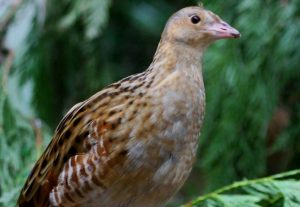
The captive breeding programme for corncrakes was developed to reintroduce this elusive farmland bird to its historic stronghold in the east of England. Thanks to the team’s long-term commitment, the project has seen wild-bred birds returning and breeding in East Anglia for the first time in over 50 years. This is a significant milestone Pensthorpe and its partners are extremely proud of and continue to support.
Saving Curlews from Conflict
Pensthorpe also led one of the UK’s most innovative curlew headstarting projects in collaboration with the Ministry of Defence. As curlews began nesting on active airfields, where their eggs were once destroyed for flight safety, Pensthorpe stepped in to offer an alternative.
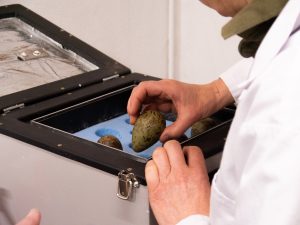
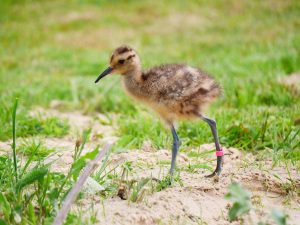
Eggs were carefully collected and incubated at Pensthorpe, with chicks reared in purpose-built pens and later released to safe sites including Wild Ken Hill and the Sandringham Estate. The success of the work is evident: in 2021 alone, 87 of 106 collected eggs hatched, and 82 birds successfully fledged.
Pensthorpe’s Ongoing Conservation Commitment
With these two flagship projects moving to a new home, conservation remains central to Pensthorpe’s mission. As a 700-acre reserve, Pensthorpe continues to carry out important habitat and species management, including ongoing site wide habitat work, active membership in Operation Turtle Dove, and its role as a founding partner in the Great Crane Project.
Over the course of 20 years, Pensthorpe has reared and released some 1500 birds — a lasting contribution to UK conservation.